Skip to content
Yakar EngineeringInnovative Biomedical Consulting
Expertise

Ten therapeutic areas, each with its own rules.

Regulatory work does not generalise as cleanly as it appears to. A cardiovascular implant and a home-use rehabilitation device are governed by the same regulation and have almost nothing else in common. These are the fields we work in, and what each one demands.

Cardiovascular

Among the most heavily scrutinised device categories in every major market, and the one where clinical evidence expectations are highest.

Representative devices

  • Stents and delivery systems
  • Catheters and guidewires
  • Heart valve prostheses
  • Implantable monitors

Cardiovascular devices are typically long-term implantable, which places most of them in the highest risk class available: Class III under EU MDR, and frequently Class III requiring premarket approval in the United States. A clinical investigation is rarely avoidable, and the evidence burden is set by the consequences of failure rather than by the complexity of the device. Programmes that plan for a 510(k) and discover a PMA lose years, not months.

What governs this area

  • EU MDR Class III for long-term implantables, with clinical evaluation consultation in defined cases
  • US PMA rather than 510(k) for many device families
  • ISO 5840 for cardiac valve prostheses; ISO 25539 for endovascular devices
  • ISO 10993 biocompatibility across prolonged and permanent contact categories
Dermatology & Aesthetics

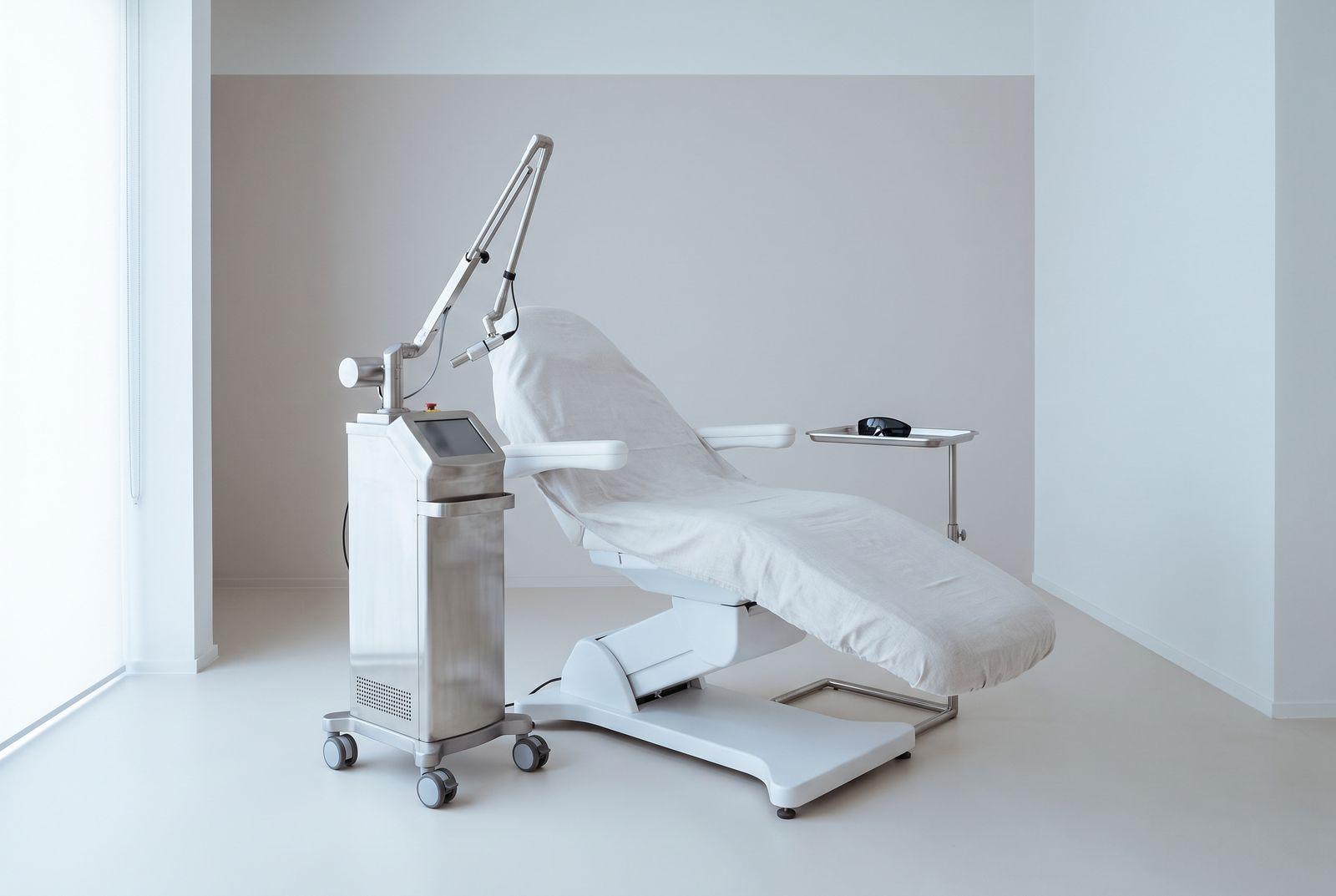
The area most reshaped by recent European regulation. Products that were unregulated a few years ago now carry full device obligations.

Representative devices

  • Laser and IPL systems
  • Radiofrequency and energy-based platforms
  • Dermal fillers
  • Home-use light therapy devices

EU MDR Annex XVI brought products with no intended medical purpose inside the regulation: purely cosmetic lasers and IPL, wrinkle fillers, fat-reduction equipment. Common specifications are set by Regulation (EU) 2022/2346. Manufacturers who built a business on the assumption that an aesthetic claim kept them outside the device regime found that assumption reversed. Classification now turns on the treatment rather than the claim: hair removal sits at Class IIa, other skin treatment at Class IIb.

What governs this area

  • EU MDR Annex XVI and the common specifications in Regulation (EU) 2022/2346
  • Class IIa for hair removal; Class IIb for other skin treatments
  • IEC 60601-2-22 for laser equipment; IEC 60601-2-83 for home light therapy
  • US routes diverge sharply: many energy devices clear via 510(k), while dermal fillers commonly require PMA

Digital Health

Software that is itself the medical device. The classification question is settled by what the software's output is used for, not by how it is built.

Representative devices

  • Software as a medical device (SaMD)
  • Mobile medical applications
  • Remote patient monitoring platforms
  • Clinical decision support software

Digital health products are regulated by their intended purpose like any other device, but the evidence looks different: a documented software lifecycle, cybersecurity designed in rather than added, and clinical evidence that the output is valid for the decision it informs. EU MDR Rule 11 places most software that informs diagnostic or therapeutic decisions at Class IIa or above. In the United States, cybersecurity documentation is now an explicit premarket expectation for connected devices, and the boundary between regulated software and general wellness or administrative tools has to be argued, not assumed.

What governs this area

  • EU MDR Rule 11 for software informing diagnostic or therapeutic decisions
  • IEC 62304 software lifecycle; IEC 82304-1 for standalone health software
  • Cybersecurity in premarket submissions under section 524B of the FD&C Act
  • Predetermined change control planning where an algorithm is intended to evolve

Gynecology, Obstetrics & Prenatal

Devices assessed against two patients rather than one, which raises both the evidence bar and the scrutiny applied to intended purpose.

Representative devices

  • Fetal and maternal monitoring
  • Intrauterine devices
  • Gynaecological surgical instruments
  • Prenatal screening assays

This area straddles the medical device and IVD regulations, and the split matters. A prenatal screening assay is governed by IVDR, where the consequence of a false result places it at Class C or above; a monitoring device is governed by MDR. Programmes that treat the two as one workstream tend to discover the difference late. Intended purpose is drafted with particular care here, because a claim that reaches into diagnosis rather than screening changes the classification and the evidence required to support it.

What governs this area

  • IVDR Class C or D for many prenatal and screening assays
  • EU MDR Class III for intrauterine devices and other long-term implantables
  • Heightened expectations around clinical evidence in vulnerable populations
  • Intended purpose wording carries unusual classification weight

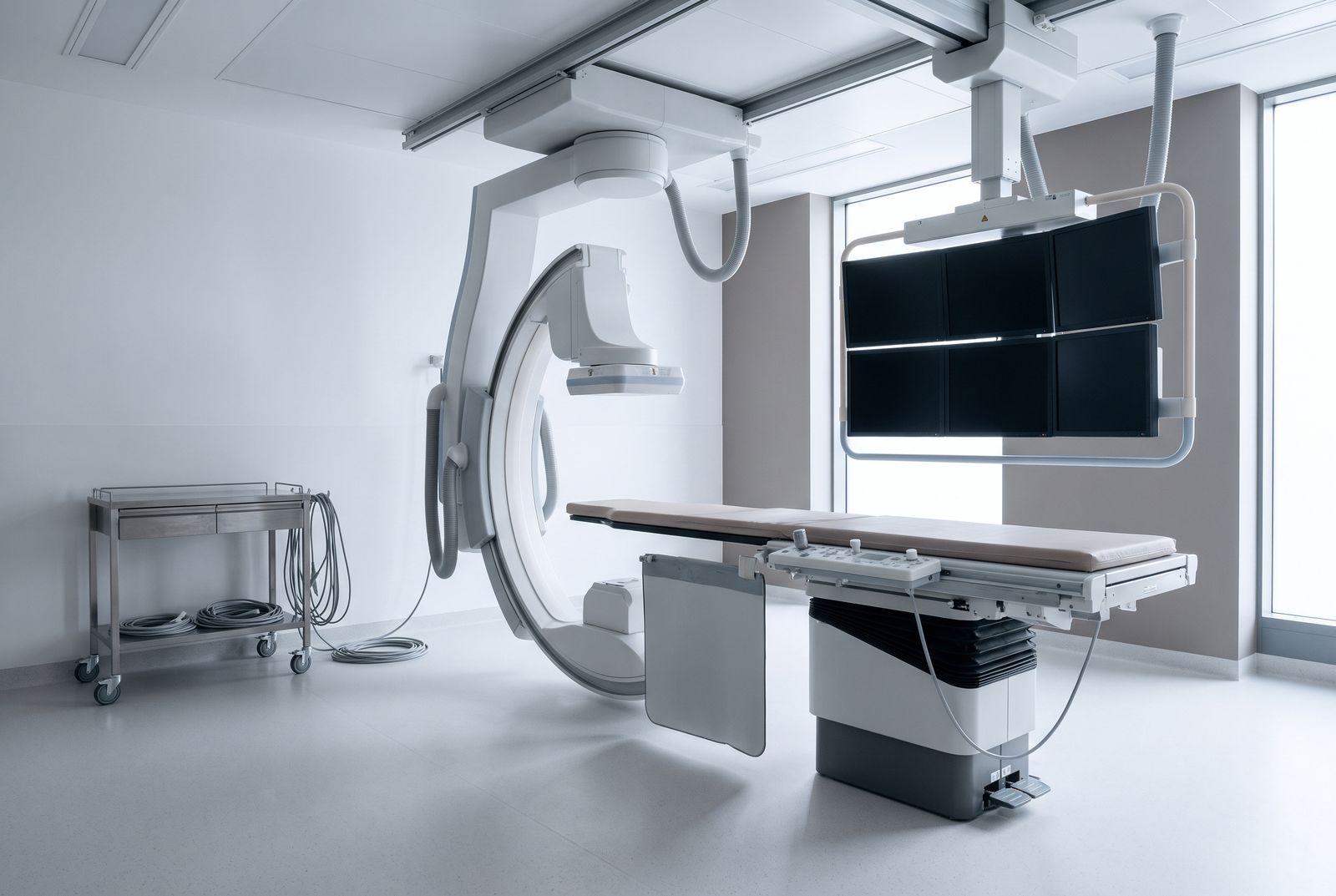
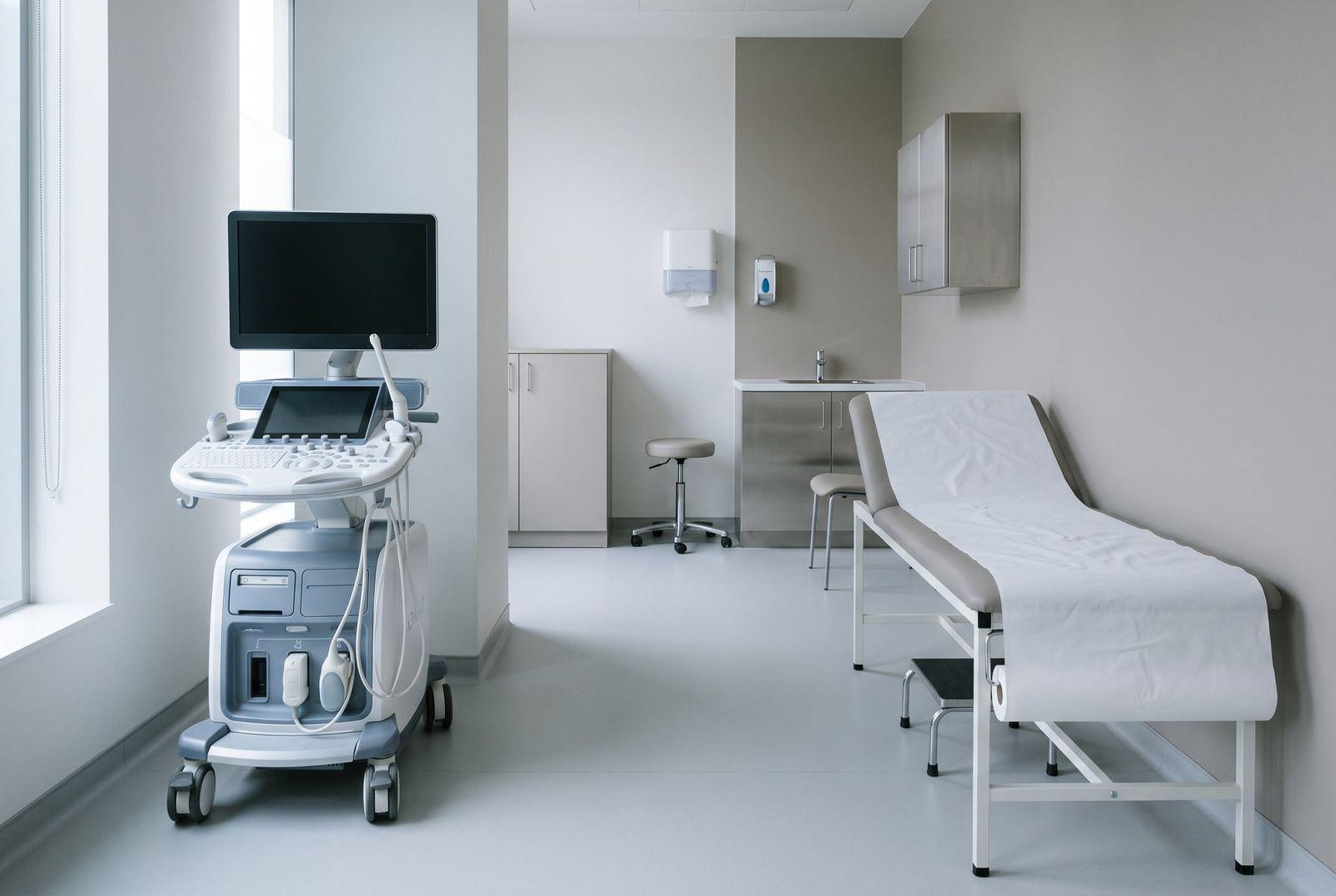
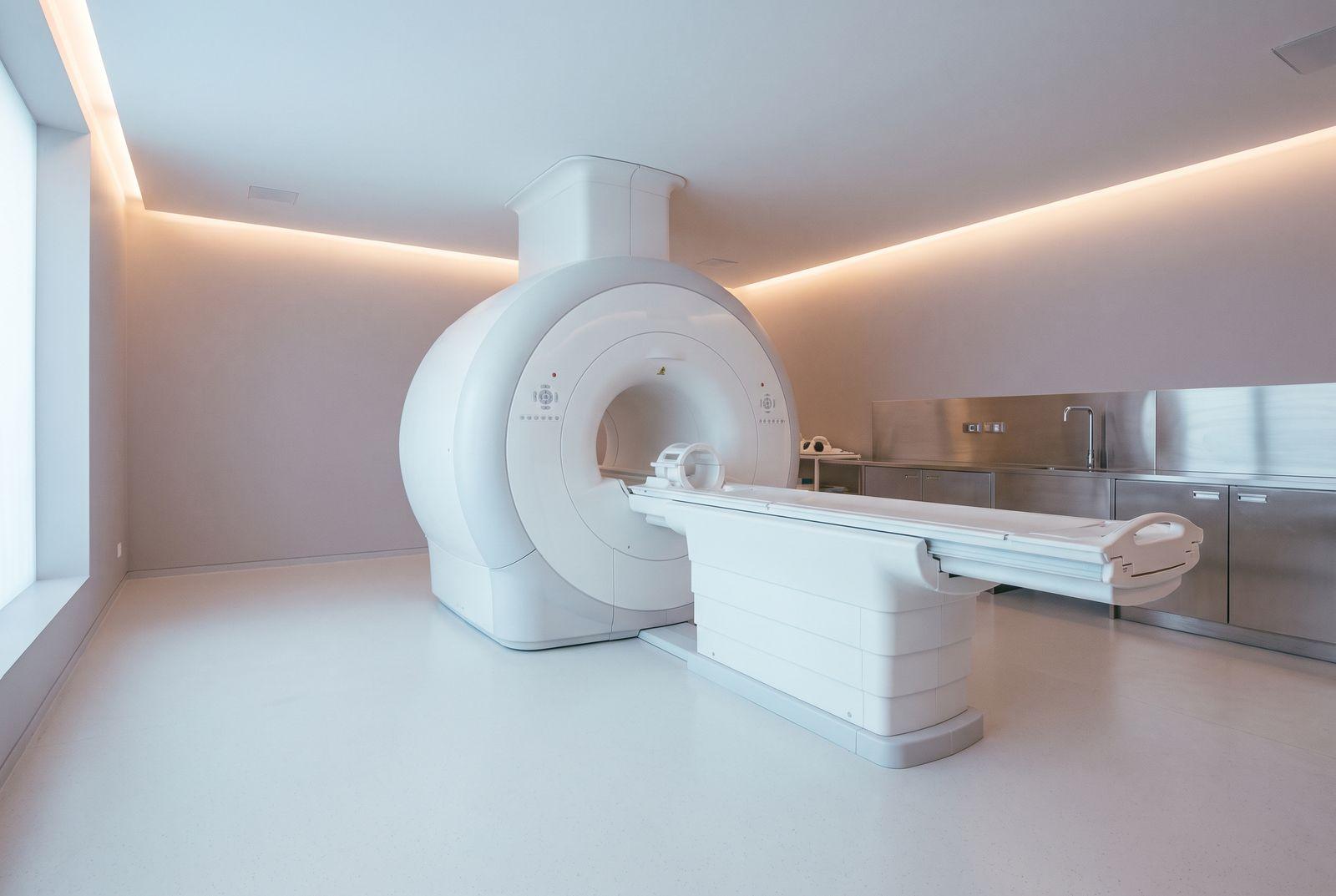
Imaging

Where hardware regulation meets software regulation, and where the software half has moved fastest.

Representative devices

  • Ultrasound systems
  • X-ray, CT and MRI equipment
  • AI and computer-aided detection software
  • Image management and processing software

MDR Rule 11 reclassified most diagnostic and decision-support software upward, and a great deal of imaging software that was comfortably Class I under the directive is now Class IIa or higher. Where machine learning is involved, the regulatory question shifts from what the device does today to how it is permitted to change, and a change control strategy becomes part of the submission rather than an afterthought. Radiation-emitting equipment carries a parallel set of obligations that sit outside the device framework entirely.

What governs this area

  • EU MDR Rule 11 for software driving diagnosis or therapeutic decisions
  • US 21 CFR 1020 performance standards for radiation-emitting products
  • IEC 60601-2-x collateral standards by imaging modality; IEC 62304 for software lifecycle
  • Predetermined change control planning where the algorithm is intended to evolve

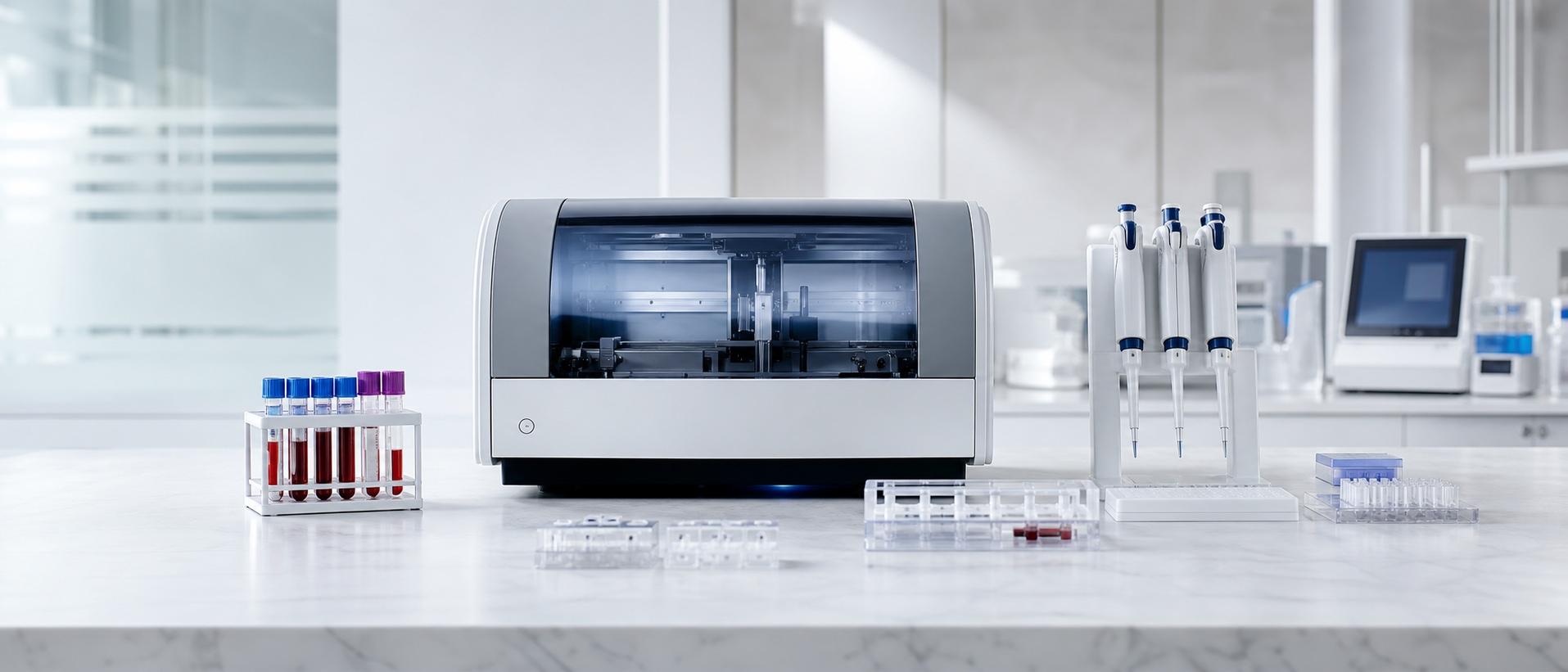
In Vitro Diagnostics (IVD)

Devices that never touch the patient, judged by the consequences of the result they report.

Representative devices

  • Clinical chemistry and immunoassay systems
  • Molecular diagnostic assays
  • Point-of-care and self-testing devices
  • Companion diagnostics

An IVD is classified by what a wrong answer would cost, to the individual and to public health. In Europe that is the rule-based Class A to D system of the IVDR, under which the great majority of devices now require a notified body. In the United States IVDs are regulated as medical devices, with labelling requirements of their own and a separate complexity categorisation that decides where a test may be run. Performance evidence, covering scientific validity, analytical performance and clinical performance, is the centre of the file in both markets.

What governs this area

  • EU IVDR Class A to D, with notified body involvement for Classes B, C and D
  • Performance evaluation: scientific validity, analytical and clinical performance
  • US 21 CFR Part 809 labelling requirements and CLIA complexity categorisation
  • ISO 18113 series for information supplied by the manufacturer; ISO 23640 for reagent stability

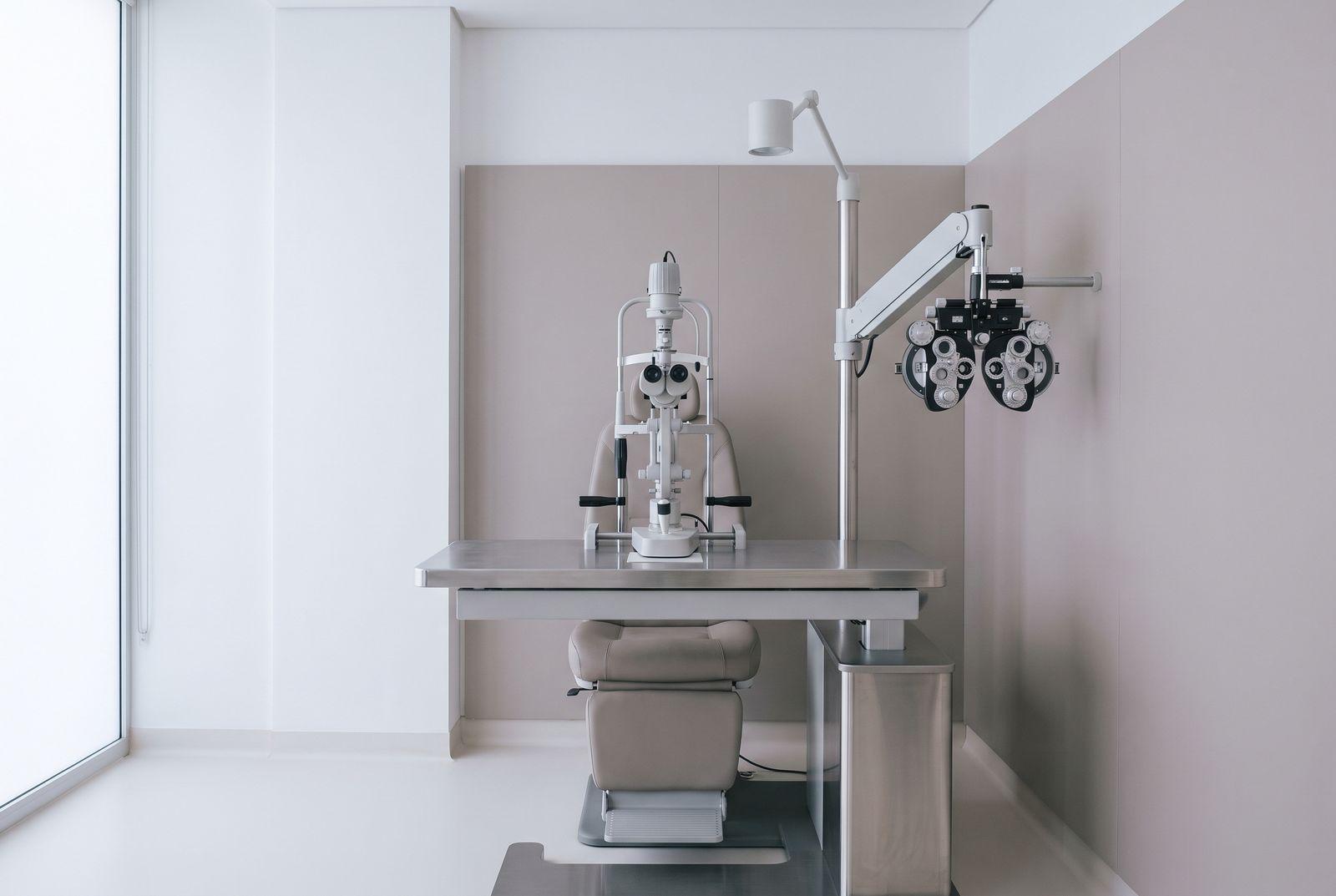
Ophthalmology

A field where a single product family can span three different risk classes depending on whether the claim is corrective or cosmetic.

Representative devices

  • Intraocular lenses
  • Contact lenses
  • Ophthalmic surgical lasers
  • Retinal and anterior-segment imaging

Intraocular lenses are long-term implants and are regulated accordingly: Class III under MDR, and Class III requiring premarket approval in the United States. Contact lenses sit lower, but coloured non-corrective lenses fall under MDR Annex XVI and carry device obligations despite having no medical purpose at all. The result is a portfolio where products that look adjacent on a price list are separated by years of regulatory work.

What governs this area

  • EU MDR Class III for intraocular lenses; US PMA for most IOL families
  • Coloured non-corrective contact lenses captured by MDR Annex XVI
  • ISO 11979 series for intraocular lenses; ISO 18369 series for contact lenses
  • IEC 60601-2-22 where surgical laser systems are involved

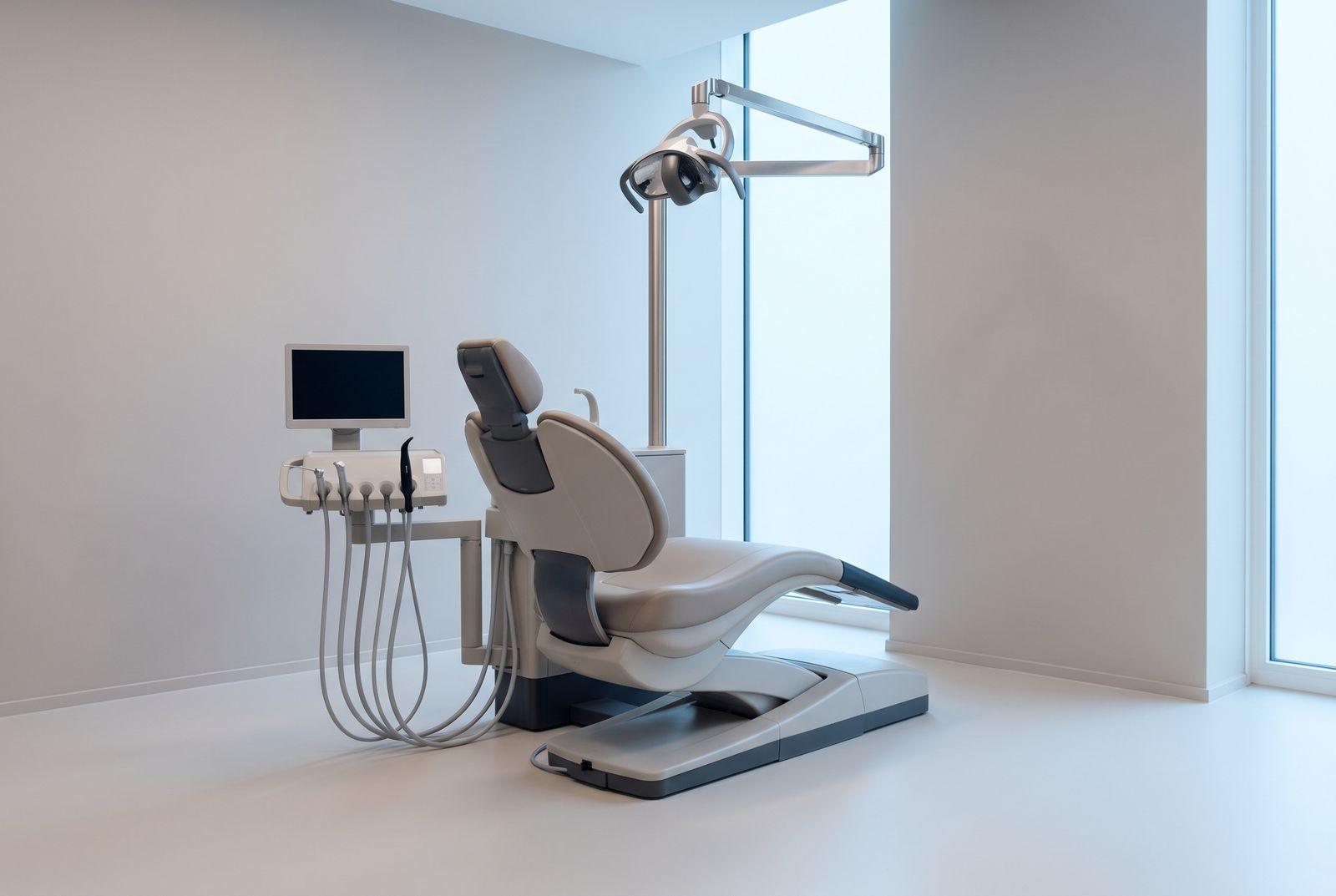
Oral & Dental Care

Materials-driven regulation, where biocompatibility evidence rather than clinical outcome data tends to be the critical path.

Representative devices

  • Dental implants and abutments
  • Restorative and impression materials
  • Intraoral scanners
  • Chairside CAD/CAM systems

Dental programmes are unusual in that the hardest evidence to assemble is often chemical rather than clinical. Restorative materials sit in prolonged contact with mucosal tissue, which drives a demanding biocompatibility package, while implants must demonstrate mechanical durability over a service life measured in decades. Digital workflow products such as scanners, design software and chairside milling bring a software classification question into a field that has historically not had one.

What governs this area

  • EU MDR Class IIb for most surgically invasive dental implants
  • ISO 7405 for dental-specific biocompatibility, alongside the ISO 10993 series
  • ISO 14801 fatigue testing for endosseous dental implants
  • Software classification under MDR Rule 11 for digital design and planning workflows

Orthopedics

Implants expected to carry load for decades, where mechanical evidence and long-term clinical follow-up are both part of the argument.

Representative devices

  • Hip, knee and shoulder joint replacements
  • Spinal implants
  • Trauma fixation: plates, screws and nails
  • Bone graft substitutes

EU MDR moved total and partial joint replacements, and most implants in contact with the spinal column, into Class III, which brings full technical documentation assessment and a heavy clinical evidence expectation. In the United States a large part of the field still reaches the market through 510(k), supported by bench testing against recognised standards, while a smaller number of device families require premarket approval. The same implant can therefore face very different evidence burdens in the two markets, which makes sequencing a decision worth taking early.

What governs this area

  • EU MDR Rule 8: Class III for joint replacements and most spinal implants
  • ISO 14630 for non-active surgical implants; ISO 21534 for joint replacement implants
  • ISO 7206 hip stem fatigue testing; ASTM F1717 for spinal implant constructs
  • ISO 10993 biocompatibility for permanent implant contact

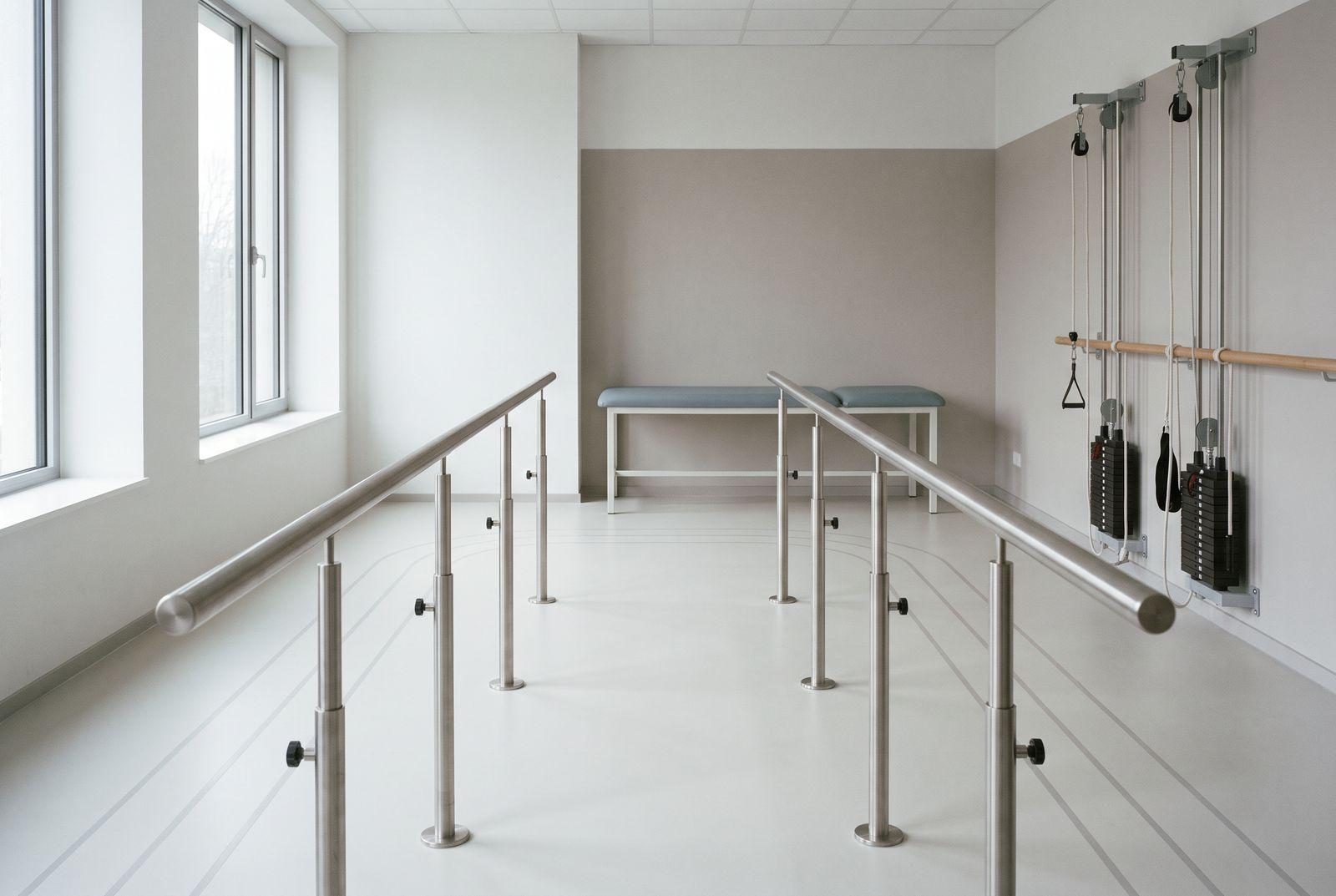
Rehabilitation & Physiotherapy

Lower risk classes, but the highest usability burden, because the operator is very often the patient, unsupervised, at home.

Representative devices

  • Electrical stimulation devices (TENS, NMES)
  • Continuous passive motion equipment
  • Exoskeletons and mobility assistance
  • Home-use therapy devices

Classification here is generally kinder than in implantable fields, with much of the category sitting at Class I or IIa, but the human factors obligation is heavier than manufacturers expect. Once a device leaves the clinic and is operated by a patient without training, usability engineering stops being a design nicety and becomes the evidence that the device is safe in the hands that will actually hold it. Home-use environments bring their own electrical safety collateral standard.

What governs this area

  • EU MDR Class IIa for most electrical stimulation devices; Class I for many passive aids
  • IEC 60601-1-11 for equipment used in the home healthcare environment
  • IEC 62366-1 usability engineering, with summative evaluation in representative users
  • US routes range from Class I exempt to Class II 510(k) within a single portfolio

Classification rules, harmonised standards and transitional deadlines change. The regulatory detail above is provided for orientation and is not regulatory advice for a specific device. Please confirm anything time-critical with us or with the relevant authority before relying on it.

How it is delivered

Four disciplines, applied to whichever field you are in.

The therapeutic area sets the evidence bar. The disciplines are how the bar gets cleared.

See the markets we work in
Your field

Tell us which area you are working in.

The classification, the standards and the evidence expectations differ sharply between these fields. Describe the device and we will tell you what your area actually requires.